
Why we should be concerned about the decline in mental health since the COVID-19 pandemic.

If you’ve been following the trends and noticing mental health coming up in every discussion and amongst varying social circles but you’re still confused as to what mental health means, you’re right in the place.
Consider this your guide to mental health. In this series, we shall cover everything you need to know about mental health and at the end of this post, you too can contribute when such discussions are being held.
Table of content
- What is Mental Health?
- Mental health meaning
- Examples of mental health disorders.
- Why Mental Health is important.
- Mental health and well being
- Recommendation on some mental health books
What is Mental Health?
If you’re reading this post then this is no doubt the first question on your mind. You’ve heard about mental health but never quite understood what it means. Mental health encompasses everything about your health that isn’t physical. For ages, we have only treated our health as physical pains or discomforts.
For example, if your tummy hurts what do you do?
You book a doctor’s appointment or pay a visit to the pharmacist. However, with the new shift, we are now beginning to see that mental health comprises your emotional, psychological and social health.
It’s kinda like a 3 in 1 layer cake. Mental health comprises how we think, feel, act and even behave.

Mental health meaning
This is one of the most comprehensive definitions of mental health I have seen.
Just like physical health is achieved when all the organs in your body are working the way ought to and you are in no physical pain, Mental health is achieved when all parts of your mind function the way they ought to and you can handle the day to day stresses of life functioning as a member of society at large.

In this section, I will be breaking down some mental health disorders that you must have stumbled upon across social media. I will be tackling the most popular terms here and give a more detailed breakdown along with rarer mental illnesses in the next post, so watch out for that.
First let’s start with a term that you and I are very familiar with, Depression.

When you hear the word depression, you think of someone with eye bags, looking raggedy, wearing dark clothes and extremely sad. Although sadness might be a symptom of depression, it alone is not depression. Not everyone who is sad is depressed.
Clinical depression is actually the correct medical term and it is best described as when an individual experiences a persistent decline in mood followed by a loss of interest in activities which can pose a serious threat to their daily lives. Keep in mind that you don’t just walk down the street and see someone sad and assume they are depressed.
Clinical depression is a mental illness therefore you have to be medically diagnosed.
Next, Anxiety.

This one I’m sure you’ve seen everywhere, While everyone gets anxious from time to time which is normal, anxiety is way deeper. Oftentimes, people can say they have anxiety when in reality they are anxious. It’s normal to get anxious for an exam or a job interview.
However, anxiety is a persistent, intense and excessive worry about everyday situations, this plays out in rapid breathing, fast heartbeats, shaking/sweaty palms, and tiredness in some cases.

What is key to understanding here is that someone with anxiety constantly worries about everyday situations that may appear trivial to other people.
Third and last, is ADHD.
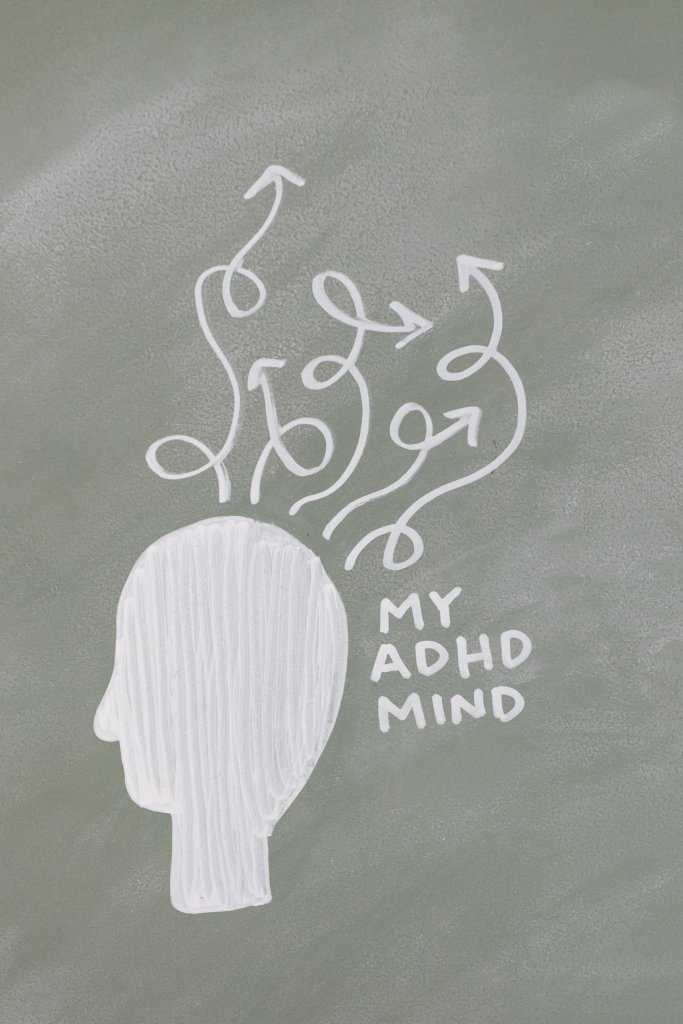
ADHD stands for Attention-deficit/ hyperactivity disorder also called Attention deficit disorder. It’s a chronic disorder characterised by extreme impulsiveness, hyperactivity and of course, attention deficit.
We all have intrusive thoughts and sometimes we let those intrusive thoughts win, Sometimes we do things on impulse but that doesn’t mean we have ADHD.
Keep in mind that each of these conditions are serious mental illnesses and if you think you might be experiencing symptoms of any then schedule an appointment with your doctor.
Why is Mental Health important?
We have talked about what mental health is and some examples of mental health illnesses. You’re probably wondering why any of this matters.
Why should we pay attention to our mental health?
Well, for the same reason, we pay attention to our physical health. Because it inhibits us from being active healthy members of society. There is a myth that looking after your mental health makes you weak but I can tell you for a fact that it doesn’t.

The same way, we rush to look after a wound when we cut ourselves is the way we should pay attention to our mental health. All of the body rests on the mind, for if the mind is sick, the whole body crumbles. I saw a quote the other day that said, ‘It’s the wounds we don’t see
that are the hardest to heal.’ Mental health is real and we need to start doing a better job at ensuring that we look after it.
As I stated earlier, mental health affects how we think, feel, behave and act. It determines how we relate to others, how we handle stress and how we function daily to assist others. Neglecting your mental health is like managing a car that needs repair. What’s the end result? The car breaks down.

Keep in mind that mental health doesn’t expire after a certain age, whether you’re a child, teenager, adolescent, or adult, your mental health is important because your mental health and well-being work hand in hand.
Mental health and wellbeing.
I just mentioned a key point in the last paragraph that we need to spend more time understanding, which is the correlation between mental health and your well-being.
While there is no consensus as to a one-size-fits-all definition for well-being, we can infer that well-being has to include being healthy all around including physically and mentally.
Zeroing in on how the mental aspect of your well-being relates to your mental health. We can all agree that mental health is underrated as oftentimes we all take it for granted. Let’s say you feel a headache that physically poses a threat to you getting tasks done, we quickly take a painkiller.
In contrast, when we experience signs of stress or burnout, rather than attending to it, we keep working and working until our minds finally shut down. We wait until the fire is at the very end of the match stick before we put it out and then instead of now paying adequate attention to it, we attempt some version of damage control.

Over time you begin to notice that you are more irritable, tired and stressed. These are all side effects of neglecting our mental health but we choose not to pay attention to them. Our overall well-being is affected as we can no longer handle tasks at the speed we used to.
Writing an email that took an hour to do before now spans 2 hours or more and we grow frustrated with ourselves when all we need to do is pay attention to our mental health so it doesn’t inhibit our wellbeing.
Mental health book recommendations.
In closing as a mental health enthusiast, I have read many books which I can say have impacted my mental health in profound ways. If you’re not a fan of reading then that’s fine, these books are also accessible in audio format.
Here are 2 books I’ve read recently[ in the past 2 weeks] that help impact your mental health positively. Keeping people who don’t enjoy reading in mind, both of these books are under 100 pages so you can listen or read them in a couple hours.
- First is The Alchemist by Paulo Coelho:
I will not shut up about this book because it’s just that good. Everyone I’m close to has had an earful after I read this book to the point where I’m sure they can tell you what the book is about. The Alchemist follows the journey of a shepherd boy on his way to find his treasure.
Chef’s kiss to the author for incorporating all the lessons into this book while telling us a story so we are invested in this young boy’s journey wanting to know if he does find his treasure or not and the end will leave you surprised, it’s insightful and really pulls you in so you feel like you’re inside the book experiencing it along with the character.
Another phenomenal read and I got this book recommendation off TikTok but when I tell you, I’m glad I read it, I mean it. This book is under 50 pages yet it took me about 5 days to complete it just because the lessons in this book cannot be rushed.
It allows you to sit down and deeply think about your life, where you are coming from and how far you have gotten in your life’s journey. This book teaches you how to live in a world that tries to pull you down at every turn and how you should react instead.
Closing Remarks
I’m always taking book recommendations so if you have any, let me know in the comments. And in future posts what would you like me to cover?
If you have any thoughts, questions or comments feel free to ask.
I love that you read this post up until this point, Please like, comment or share this content. You can also reach out to me via Instagram or through email at writeerspace@gmail.com.

 Write_rspace